Wardrobe Study
Blog Contact
Independent Notes on Style

Dressing the Body You Have Right Now

Wardrobe Study is an independent look at how clothes actually fit into a life – not a styling service, and not a program. Just plain writing about fit, comfort, and the quiet confidence of a closet that finally makes sense.

Focus
Fit & Comfort
Not
Trend Chasing
Written For
Any Body, Now
The Rack

What Actually Earns a Spot in a Wardrobe

Not every category of clothing deserves equal real estate in a closet. Here's a category-by-category look at what tends to matter most, written independently of any specific styling method.
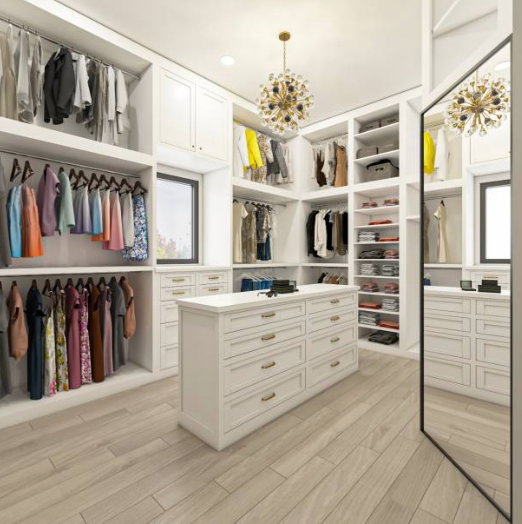
Neatly folded basic clothing items on a shelf

The Basics

The pieces worn often enough that their fit matters more than almost anything else in the closet. A basic that pulls, gapes, or needs constant adjusting gets worn less over time, no matter how "versatile" it looked on a hanger. Comfort here compounds – a well-fitting basic gets reached for daily; a poorly-fitting one quietly gets skipped.

A structured coat hanging on a wooden hanger

Outerwear

Often the most-seen piece of an outfit, since it's what covers everything else outdoors, yet it's frequently the last thing people invest time in fitting properly. A coat that fits at the shoulders and doesn't fight with layers underneath tends to get worn far more consistently than one bought on a seasonal deadline.
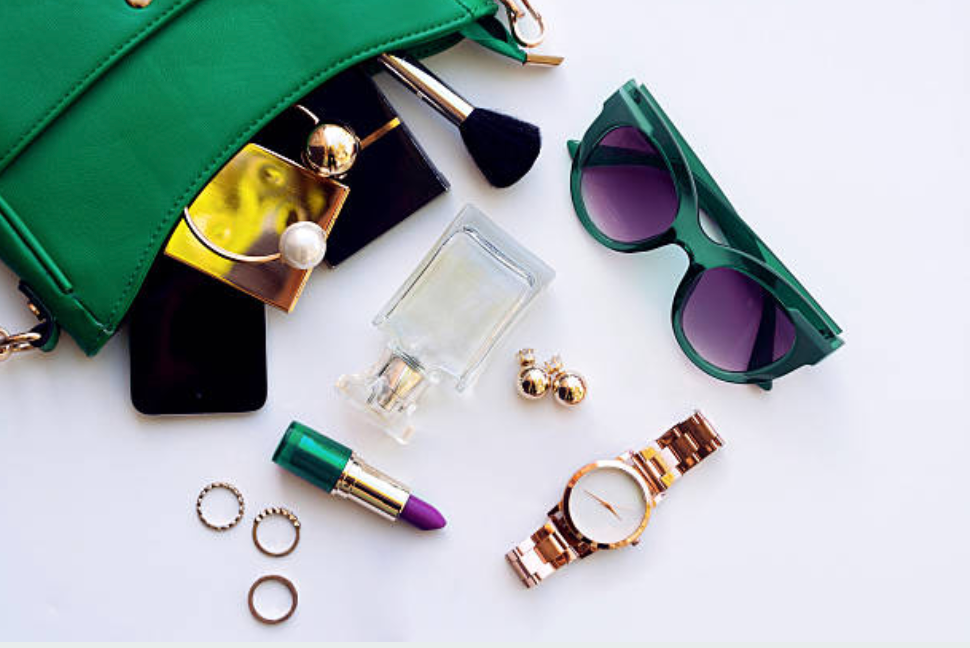
A curated tray of small accessories

Accessories

The lowest-cost, lowest-risk way to change how an outfit feels day to day – which makes this category a good place to experiment with anything that feels unfamiliar, without committing to a full new silhouette. A handful of pieces used often tends to add more to a wardrobe than a drawer full of pieces used rarely.
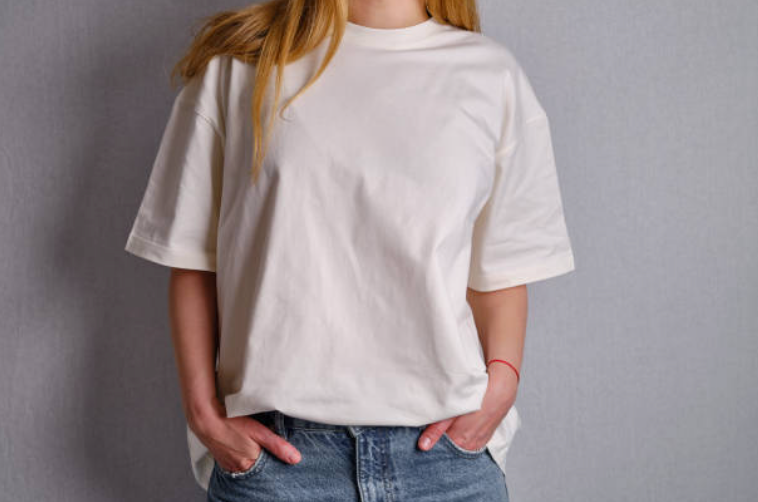
A well-fitted pair of trousers laid flat

Bottoms

Frequently the piece people are least willing to size up or tailor, even when doing either would visibly improve how a whole outfit sits. A single well-fitted pair tends to outperform several ill-fitting ones bought "just in case" they work out later.
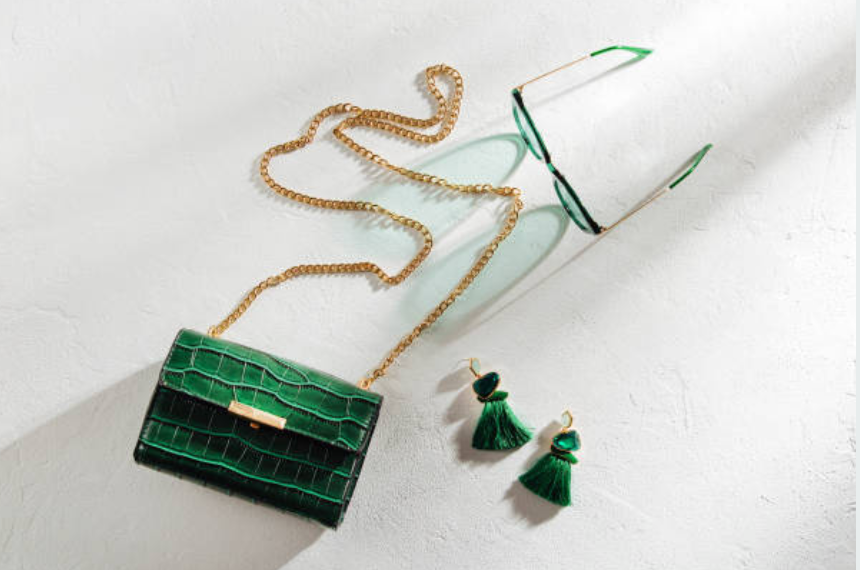
A single statement dress hanging on a rack

Statement Pieces

The category most likely to sit unworn out of hesitation rather than dislike. A wardrobe with none of these can start to feel purely functional; a wardrobe with too many can start to feel like a costume closet. A small, rotating handful tends to hold up best over time.

Care Label

A Few Numbers Worth Knowing

20%
80/20
Roughly the share of a wardrobe that tends to get worn regularly, versus rarely touched.
widely cited rule of thumb – source to add
Fit > Size
A single garment's fit varies more between brands than most people expect at a given size label.
source to add
Fewer, Longer
Buying less often but choosing better fit tends to reduce both cost and closet clutter over time.
source to add
Worth Following

A Few Independent Voices in This Space

Cited here as real examples of independent work in this space – not a recommendation, and not an affiliation of any kind.

Amanda Hanson (simplySTYLISH) — a Canadian style coach whose work explicitly challenges conventional "style rules," framing wardrobe choices around self-expression and comfort rather than a fixed body type.

Body-positive fashion writers more broadly — a growing group of independent writers and stylists pushing back on the assumption that a "good wardrobe" requires changing a body rather than simply dressing the one a person currently has.

The Long Read

Dressing the Body You Have Right Now

Most wardrobe advice quietly assumes a body that doesn't exist yet – a future, smaller, "fixed" version of the person actually opening the closet each morning. This piece works from a different starting point: the body in the room right now, and what it takes to dress it well without waiting for anything to change first.

Why Fit Beats Trend, Almost Every Time

A trend-forward piece that fits poorly tends to get worn once, for the photo, and then quietly avoided. A well-fitted basic gets worn dozens of times without ceremony. Over a year, the second garment does more actual work in a wardrobe than the first – which is a useful, unglamorous way to evaluate a purchase before making it.

What "fit" actually means, practically

Fit isn't one measurement – it's how a garment behaves while sitting, reaching, or walking, not just how it looks standing still in front of a mirror. A shirt that gaps at the buttons only when seated, or trousers that ride up only while walking, are both fit problems that a static try-on can miss entirely.

The Case Against a Closet Full of "Someday" Clothes

Clothes kept "for when" a body changes tend to do a specific kind of quiet psychological work every time the closet door opens – a small, repeated reminder of a body that isn't the current one. Clearing space for what actually fits now, even temporarily, tends to change how getting dressed feels far more than any single new purchase would.

Care, Longevity, and Buying Less Often

A wardrobe built around fit rather than trend also tends to age better, simply because well-fitted pieces get worn enough to justify proper care – washing correctly, mending small issues before they become large ones, and replacing hardware like buttons or zippers instead of discarding an otherwise good garment. None of this is about being precious with clothes; it's closer to basic maintenance that most people skip only because a piece never felt worth the effort in the first place.

A note on language

How a wardrobe conversation is framed matters almost as much as the wardrobe itself. Describing clothes as needing to "hide" or "fix" a body tends to make getting dressed feel like damage control. Describing the same task as dressing the body that's actually present tends to make it feel closer to what it is: a practical, occasionally enjoyable, daily task.

This piece reflects general observations about wardrobe planning, not individual styling advice. For a tailored, one-on-one approach, an independent stylist or coach may be a better fit than a general article.

Recently Added to the Rack

From the Blog

All Posts
What a Capsule Wardrobe Actually Requires (and What It Doesn't)
Coming Soon

What a Capsule Wardrobe Actually Requires (and What It Doesn't)

The parts of the concept worth keeping, and the parts that mostly add pressure.

Read more →
Small Repairs That Add Years to a Garment
Coming Soon

Small Repairs That Add Years to a Garment

Buttons, hems, and the handful of fixes worth learning at home.

Read more →
The Words We Use About Getting Dressed, and Why They Matter
Coming Soon

The Words We Use About Getting Dressed, and Why They Matter

A closer look at how small language shifts change how mornings feel.

Read more →
One More Thing

Have a Wardrobe Question We Haven't Covered?

Wardrobe Study doesn't offer styling services directly, but we're always adding to this collection based on real reader questions.